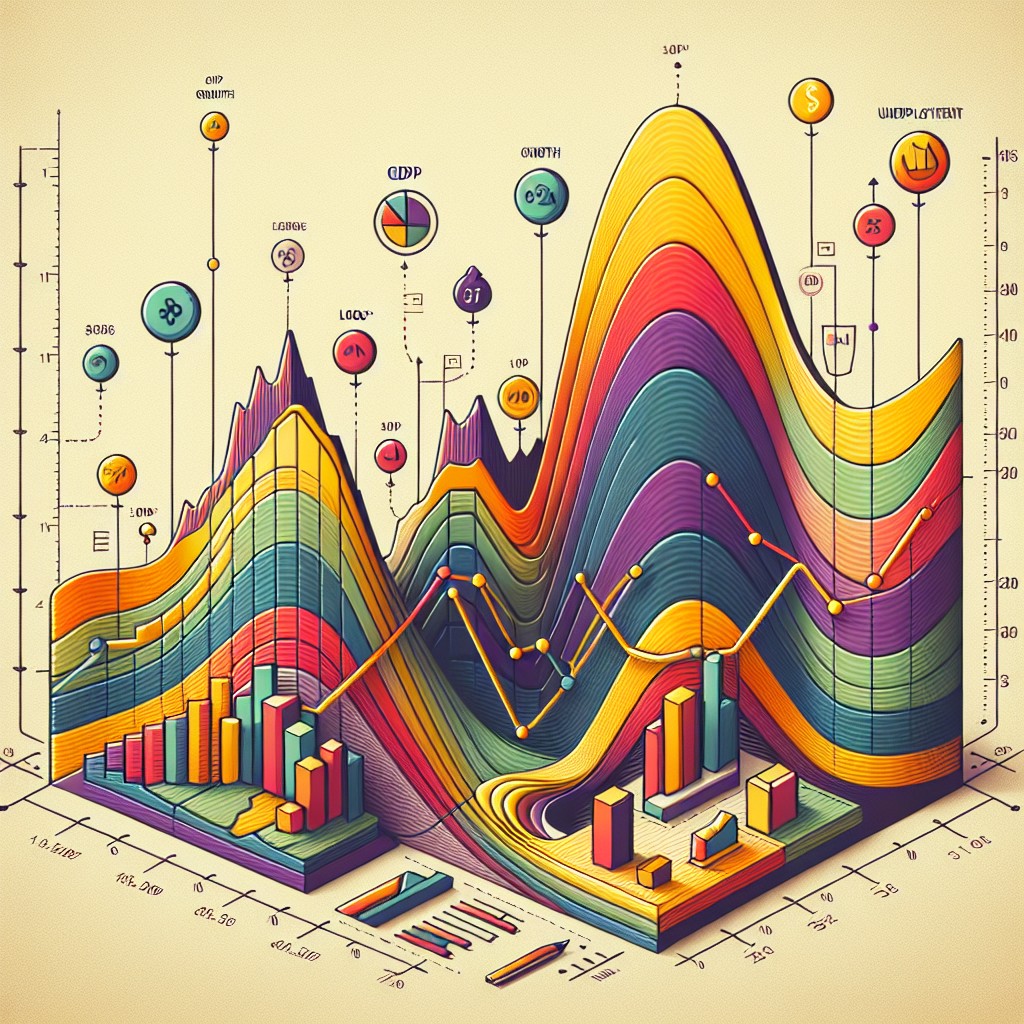
A recent study published by the Institute for Health Metrics and Evaluation (IHME) has unveiled unprecedented insights into health trends projected for the year 2026. Utilizing extensive global health data, researchers have identified emerging patterns that could significantly influence health policy and preventive strategies moving forward. These findings shed light on both alarming and hopeful trends, prompting experts to rethink current healthcare frameworks.
Key Findings in Health Data Trends
The study indicates that non-communicable diseases (NCDs) will continue to dominate the global health landscape by 2026. Cardiovascular diseases and diabetes are projected to see a substantial rise in incidence rates, particularly in developing nations. Conversely, communicable diseases, which have seen resurgence due to global travel and climate change, pose new challenges that require immediate intervention. The analysis highlighted that effective management strategies tailored to the social determinants of health are more crucial than ever.
The Impact of Socioeconomic Factors on Health Outcomes
One striking element of the new health data is the correlation between socioeconomic status and health outcomes. Regions with lower economic development are expected to bear the brunt of increased morbidity and mortality from chronic diseases, while wealthier areas may show slight improvements due to better access to healthcare services. This disparity underscores the necessity for targeted health policies aimed at bridging the gap between affluent and impoverished populations.
The Role of Technology in Future Health Data Utilization
Looking ahead, technology is poised to play an increasingly vital role in collecting and analyzing health data. Innovations in wearable health devices and telehealth are transforming how health services are delivered, particularly in remote regions. As these technologies evolve, the integration of artificial intelligence in health data analytics is anticipated to enhance predictive modeling and patient outcomes significantly. Experts emphasize that embracing these technologies could lead to more proactive health management strategies.
Frequently Asked Questions about Health Data
What is health data and why is it important?
Health data refers to the information collected about an individual’s health and healthcare experiences. It is crucial because it helps determine health trends, inform policy decisions, and improve patient outcomes.
How is health data collected?
Health data is typically gathered through various channels, including surveys, patient records, clinical trials, and health monitoring devices, which provide valuable insights into population health.
What does the new health data study predict for 2026?
The new health data study predicts a significant increase in non-communicable diseases, particularly in developing countries, emphasizing the need for robust healthcare strategies to manage chronic conditions.
How can technology improve health data management?
Technology can enhance health data management by streamlining data collection, improving accuracy, and enabling more effective analysis through advanced algorithms, ultimately supporting better health outcomes.
Where can I find more about global health data trends?
For more information on global health trends, you can refer to reputable sources, including the World Health Organization, which provides comprehensive health data and analytics.